Paint that still looks right three summers from now.
A good paint job is mostly preparation. Walls get washed, scraped, patched and primed before a single coat goes on — and that is the part most quotes leave out.
Most peeling paint in the Memphis area is not a paint failure. It is a preparation failure that shows up later. We find out what is causing adhesion problems — moisture, movement, a leak that never got repaired — and deal with that before the finish work starts. That is the difference between a job that looks good on day one and one that still looks good in year three.
- Experience
- 20+ years
- Area
- 4 states
- Licensed
- GC
The prep work behind the finish.
-
We find the cause, not just the symptom
Peeling near a window, staining under a roof valley or a wall that never dries are all symptoms. We look for what is behind them — moisture intrusion, failed caulk, a leak — and tell you whether it needs fixing first. Sometimes it does, and that is worth knowing before you pay for paint.
-
Washing, scraping, patching, priming
Every surface gets cleaned and deglossed, loose paint scraped and feathered, holes and cracks patched and sanded, and bare wood and patched areas primed. This is the part that decides whether the topcoat adheres or peels off the first wall we paint.
-
Interior cut-in that reads as professional
Brush work in the corners and against the ceiling, rolled walls, and enough coats to cover without a fast pass. The edges are what people notice first and what separates a finished room from a rented one.
-
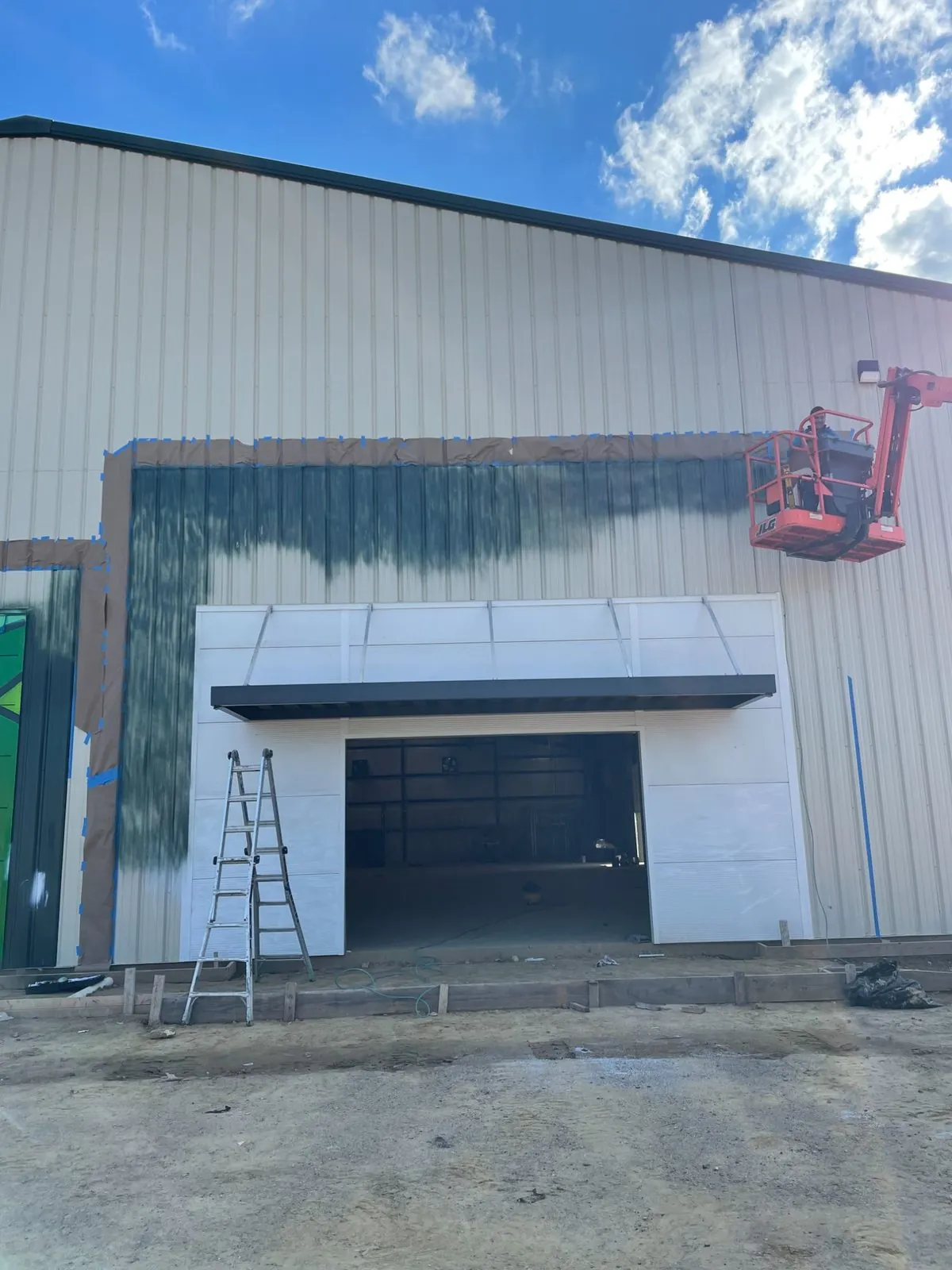
Exterior done for the weather
Power washing where the surface needs it, scraping loose coating, priming bare wood and failing edges, and caulking joints and trim. Paint on a damp or chalky surface will lift, and exterior work is scheduled around conditions that let it cure.
From photos to final walkthrough.
-
Photos or a walkthrough
Send photos of the rooms or the exterior elevation on WhatsApp, or let us look at it in person. For a straightforward repaint, photos are usually enough to scope it.
-
Scope and line items
You get the work broken out — preparation, repairs, coats, trim and cabinets listed separately — so you can see where the money goes and cut anything you do not want.
-
Fixed schedule
We give you a start date and a duration before signing. Dry time between coats and between the last coat and moving furniture back is part of the schedule, not something we discover along the way.
-
Final walkthrough
We walk the finished work with you, touch up anything you point out, and clean the work areas before we leave.
Why prep is the biggest line item.
We quote in writing after seeing the job. Anyone who gives you a firm painting price on the first phone call is guessing — and either they will not show up or the price will move once they see how much the walls actually need.
What homeowners ask before booking a painter.
Do you need to move my furniture?
For the rooms being painted, yes — we ask that furniture, rugs and wall decor come off the walls so we can reach them and so nothing gets paint on it. For large or heavy pieces we can move what is safe to move; talk to us about your specific rooms when you book.
How long until I can move furniture back?
Follow the paint can. Latex paint is usually touch-dry in an hour or two but wants several hours before heavy contact, and a full cure takes longer. We will tell you the practical timing for what we used rather than a generic number.
Do you paint cabinets and trim?
Yes. Cabinet refinishing is its own job with its own prep and hardware options, and we price it separately from wall painting so you are not paying wall rates for work that needs different steps.
Can exterior painting be done in winter?
It depends on surface moisture and temperature. Cold, damp surfaces will not let paint cure properly, so we schedule around conditions that let the finish adhere. That sometimes means waiting — it is better than a repaint next spring.
What if my paint is peeling? Do I just repaint over it?
No — that is what we check first. Peeling usually means moisture, movement or a failed repair is behind the surface, and painting over it seals the problem in. We show you what we find and whether it needs addressing before the finish work starts.
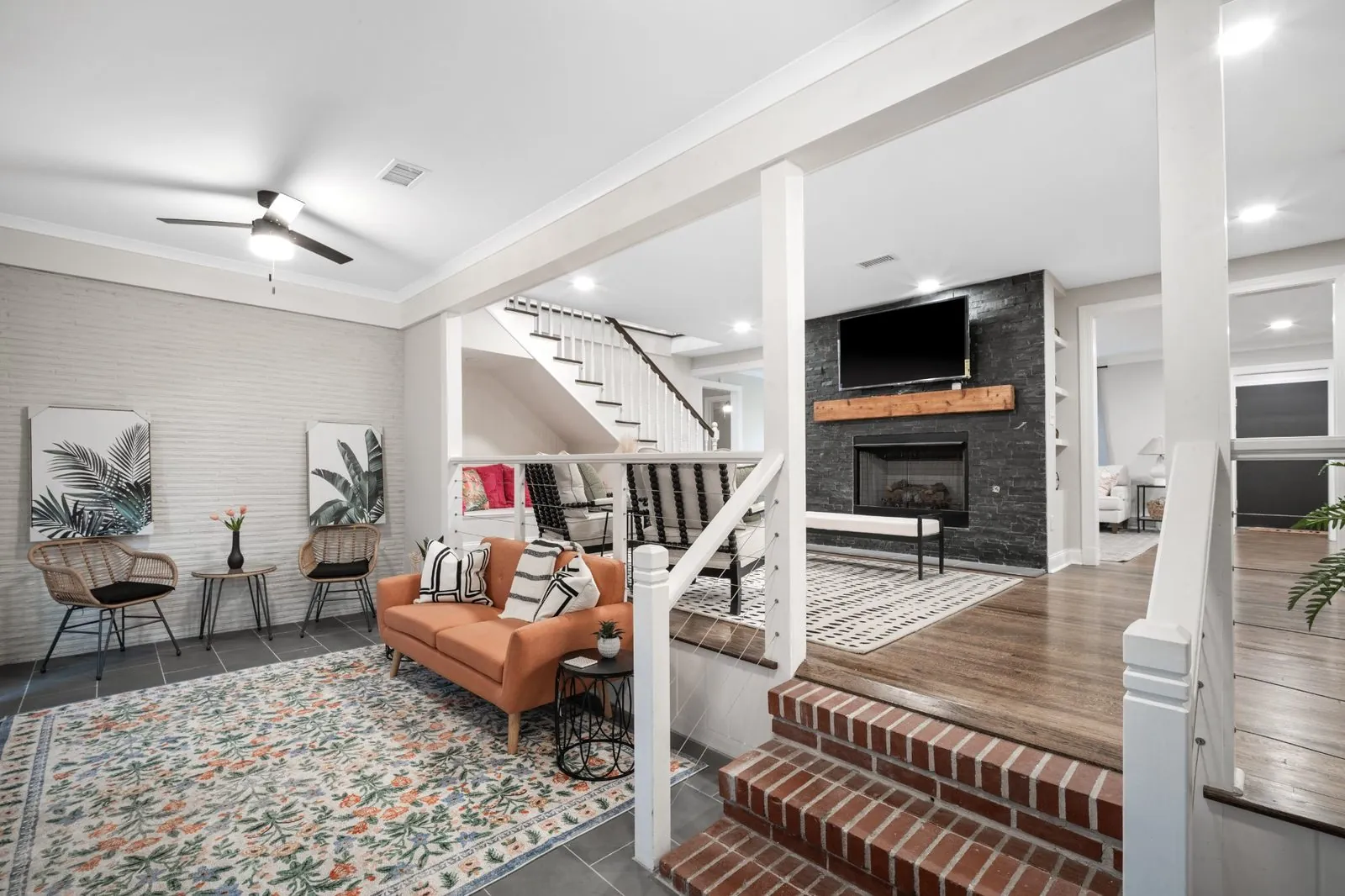
What this actually looks like finished.
Other projects
Planning a repaint?
Send a few photos of the rooms or the exterior and we will tell you what your paint job actually needs — how much prep it is, what gets fixed, and what it depends on.